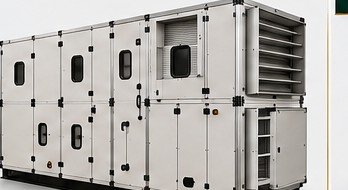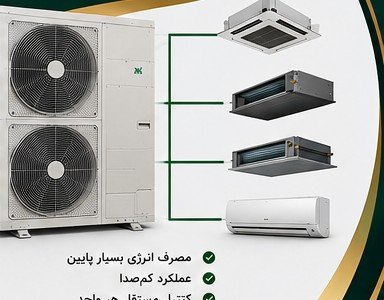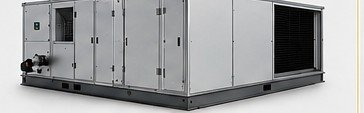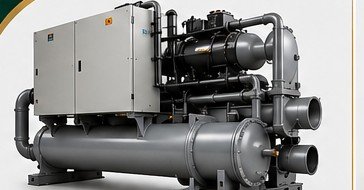
Chiller
The heart of the building's cooling system
A chiller is the central cooling engine of a building's HVAC system, producing chilled water that is circulated to air handling units, fan coils and other terminal equipment throughout the facility. Chillers are typically the right choice for larger buildings — hospitals, hotels, factories, shopping centers — where a centralized water-based system is more efficient and easier to maintain than many separate individual units. Air-cooled chillers suit sites without access to a cooling tower or water source; water-cooled chillers offer higher efficiency at scale where that infrastructure exists. NAD Toseeh Paydar provides consulting, selection, supply, installation and commissioning for chiller plants sized to the building's real cooling load — calculated from floor area, occupancy, equipment heat gain and local climate data — with attention to long-term energy cost, redundancy, and maintenance access.
Features
- High energy efficiency
- Reliable operation under demanding conditions
- Long service life
- Smart, precise control
- BMS integration capability
Used in
Choosing and quoting: Chiller
To choose a chiller, first establish the building's real cooling load in kW or tons of refrigeration, then pick air-cooled or water-cooled based on water availability and room for a cooling tower. Simple conversion: 3.517 kW equals one ton of refrigeration.
For a chiller quotation, state the approximate capacity, preferred compressor type, chilled-water supply and return temperatures, site climate and available power. Read our chiller quotation checklist on the blog and compare air-cooled and water-cooled types.
Related guides
- How to Request an HVAC or Chiller Quote: What Suppliers Need
- Air-Cooled vs. Water-Cooled Chillers: Choosing the Right Type
- Chiller Capacity Explained: kW, Tons of Refrigeration and Water Flow
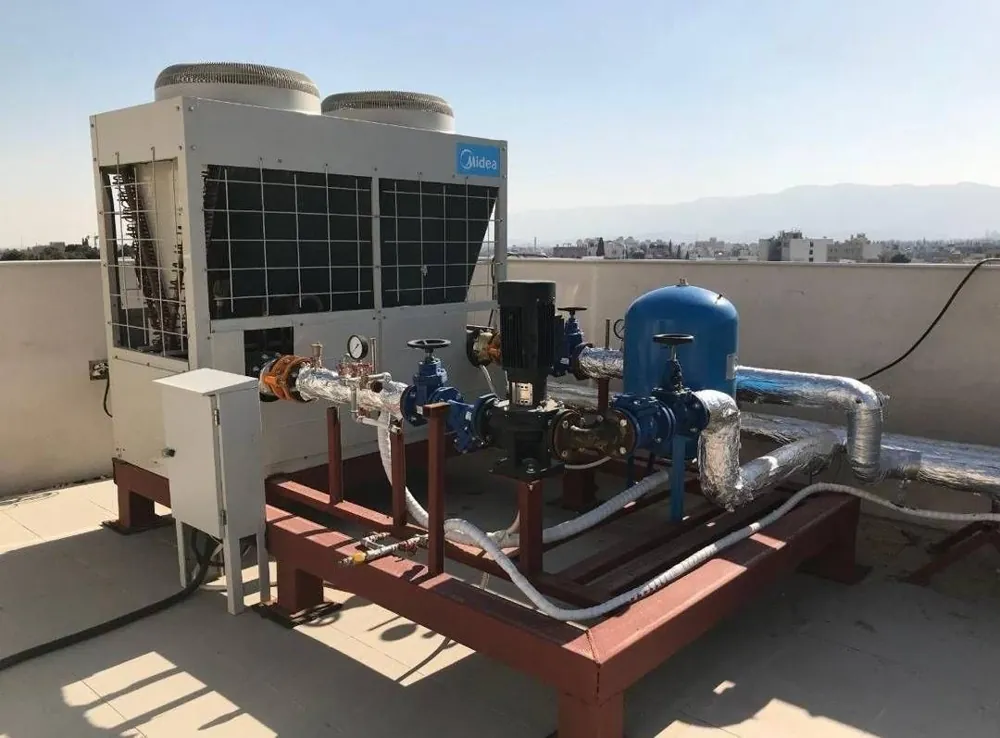
- Rooftop Air-Cooled Chiller Installation Checklist: Frame, Pump, Valves and Insulation
- Modular Air-Cooled Chillers: When Are They the Right Choice?
Installation examples: Chiller


Frequently asked questions
Air-cooled or water-cooled chiller?
An air-cooled chiller needs no cooling tower or condenser water loop, is simpler to install and maintain, and usually sits on a roof or outdoors. A water-cooled chiller is usually more efficient at large capacities but needs a tower, pumps and plant-room space. The final choice depends on capacity, available water and installation space.
What do you need for a chiller quote?
The required cooling capacity (tons of refrigeration or kW), building use, city and climate, available power, installation location (roof, yard or plant room) and, if known, the chilled-water requirements and number of units. The more complete the information, the more accurate the proposal.
When does a modular chiller make sense?
When the building load varies a lot through the year or when moving one large unit is difficult. Several smaller modules work side by side, and at low load only some of them stay on.
How long does chiller delivery take?
Delivery time depends on the model, capacity and number of units. State the date your project needs in the quote so supply and installation can be planned.